


Managing Stress and Anxiety with TCM Stress Management
Stress and anxiety are part of life, but they don’t have to control your days. I’ve found that traditional Chinese medicine (TCM) offers a gentle, natural way to bring balance back when life feels overwhelming. If you’re curious about holistic approaches that support your mental well-being, you’re in the right place. Let’s explore how TCM stress management can help you find calm and clarity.
Understanding TCM Stress Management
Traditional Chinese medicine looks at the body and mind as a connected whole. When stress or anxiety arises, it’s often a sign that your body’s energy, or Qi, is out of balance. TCM focuses on restoring harmony through natural methods like acupuncture, herbal remedies, and mindful practices.
One of the key ideas in TCM is that stress can block the smooth flow of Qi and blood, especially in the liver and heart meridians. This blockage can cause physical symptoms like headaches, muscle tension, and digestive issues, alongside emotional symptoms like irritability and restlessness.
In my experience, TCM stress management is not just about treating symptoms but about nurturing your whole self. It encourages you to slow down, listen to your body, and make lifestyle changes that support long-term wellness.
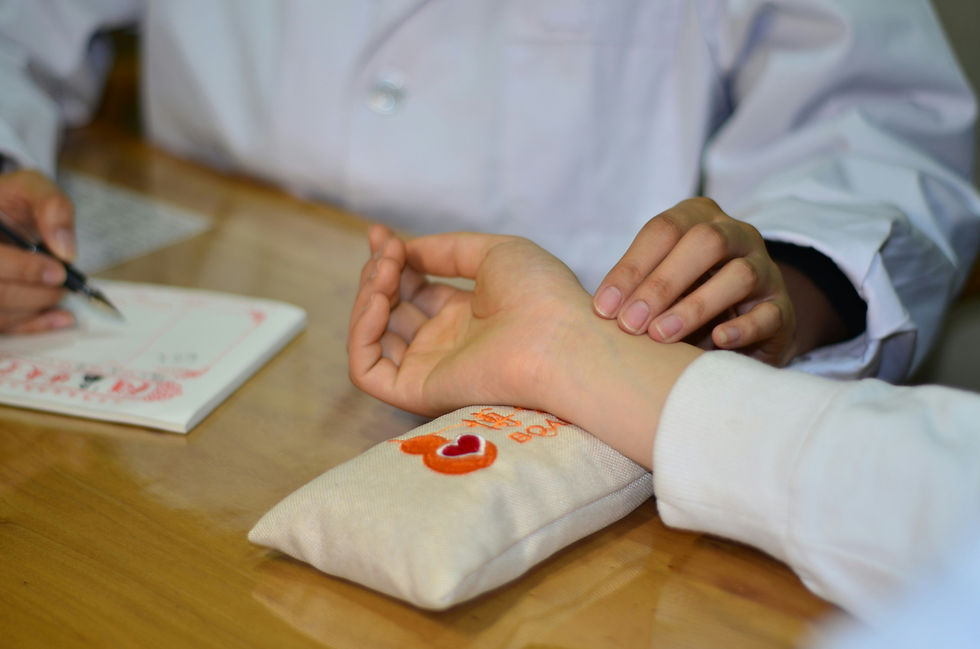
How TCM Techniques Help Relieve Stress and Anxiety
You might wonder, what exactly does TCM offer for stress and anxiety? Here are some of the most effective techniques:
Acupuncture: This ancient practice uses fine needles to stimulate specific points on the body. It helps unblock Qi and promotes relaxation. Many people report feeling calmer and more balanced after just a few sessions.
Herbal Medicine: TCM herbs are carefully chosen to soothe the nervous system and support organ health. For example, herbs like Suan Zao Ren (Zizyphus seed) and He Huan Pi (Albizia bark) are known for their calming effects.
Qi Gong and Tai Chi: These gentle movement practices combine breath control, meditation, and slow physical movements. They help reduce stress by improving circulation and calming the mind.
Dietary Therapy: TCM also emphasizes eating foods that nourish your body and mind. Warm, cooked meals with ingredients like ginger, jujube dates, and goji berries can help strengthen your energy and reduce anxiety.
By integrating these methods, you create a personalized approach that supports your unique needs. It’s like giving your body and mind a chance to reset and heal naturally.
What is the Best Chinese Medicine for Anxiety?
When it comes to choosing the best Chinese medicine for anxiety, it really depends on your individual symptoms and constitution. TCM practitioners tailor treatments to your specific pattern of imbalance. However, some commonly used herbs and formulas include:
Suan Zao Ren Tang: This formula is often used for insomnia and anxiety caused by liver blood deficiency and heart fire. It helps calm the mind and improve sleep quality.
Gan Mai Da Zao Tang: Known for its soothing properties, this formula is great for emotional stress, irritability, and restlessness.
Xiao Yao San: This classic formula supports liver Qi stagnation, which is a common cause of stress and mood swings. It helps regulate emotions and promotes a sense of well-being.
It’s important to consult with a qualified TCM practitioner before starting any herbal treatment. They will assess your condition and recommend the best herbs or formulas for you.

Practical Tips to Incorporate TCM Stress Management into Your Daily Life
You don’t have to wait for a formal treatment session to start benefiting from TCM principles. Here are some simple, practical ways to bring TCM stress management into your everyday routine:
Practice Deep Breathing: Slow, deep breaths help move Qi and calm your nervous system. Try inhaling for 4 seconds, holding for 2, and exhaling for 6.
Create a Warm Tea Ritual: Brew herbal teas with calming ingredients like chamomile, jujube, or licorice root. Sipping warm tea can be a soothing moment of mindfulness.
Move Mindfully: Spend 10-15 minutes daily doing gentle Qi Gong or Tai Chi exercises. These movements help release tension and improve energy flow.
Eat Balanced Meals: Focus on warm, cooked foods that nourish your spleen and stomach, such as soups, stews, and congee. Avoid too much cold or raw food, which can weaken digestion.
Get Acupuncture or Cupping: If possible, schedule regular sessions with a licensed TCM practitioner. These treatments can provide deeper relief and support your body’s natural healing.
By weaving these habits into your life, you create a foundation for resilience and calm that lasts.
Embracing a Holistic Path to Wellness
Managing stress and anxiety is a journey, and TCM offers a compassionate, holistic path to support you along the way. It’s about more than just reducing symptoms - it’s about restoring balance, nurturing your body, and calming your mind.
If you’re ready to explore gentle, natural ways to feel more centered, consider how tcm for stress and anxiety might fit into your wellness routine. Whether through acupuncture, herbal medicine, or mindful movement, TCM invites you to reconnect with your inner calm.
Remember, small steps can lead to big changes. Take a moment today to breathe deeply, sip a warm cup of tea, or simply pause and listen to your body. Your journey to balance and happiness is waiting.
If you want to learn more about how traditional Chinese medicine can support your mental well-being or explore personalized treatments, Unity Healing Centre is here to help. Together, we can find the right path for your unique needs.


Comments